
Basement & cellar
tanking in Kent.
Below ground you're not dealing with damp — you're dealing with water pressing against the structure. That needs a waterproofing system, not a damp proof course.
Below ground, water pushes rather than rises.
A wall above ground has one wet side and one dry side, and moisture moves through it slowly. A basement wall has earth against it, and after rain that earth holds water which presses against the structure under genuine hydrostatic pressure.
Injecting a damp proof course into a cellar wall achieves nothing, because the water isn't rising through the masonry — it's being pushed through it. What you need is a system that either resists that pressure or manages the water that gets through and takes it somewhere.
Get it right and a cellar stops being where the bikes live and becomes a room. Get it wrong and you've decorated a space that floods.
Signs a cellar needs tanking
- Water on the floor after heavy rain
- Wet patches or running water on the walls
- White salt deposits across the brickwork
- A persistent musty smell coming up the stairs
- Rusting or rotting anything stored down there
- Wanting to convert the space into a usable room
Tell us what you want to use the space for — it changes which system makes sense.
A wet cellar tanked, screeded and usable
A cellar taken from bare damp block to a dry, screeded, lit room. Drag across to see it. The finish depends on the use, but the waterproofing is the part that has to be right.
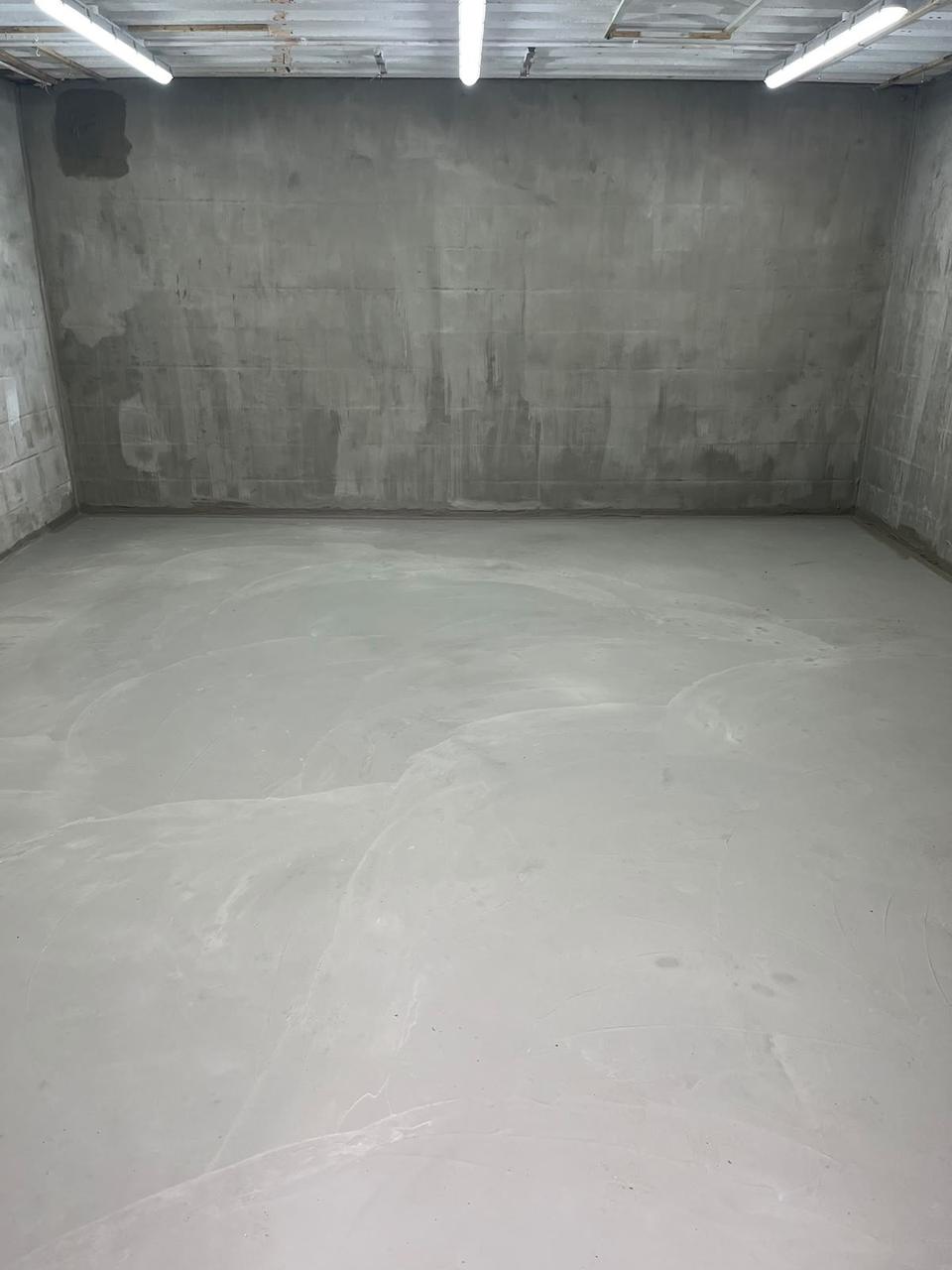
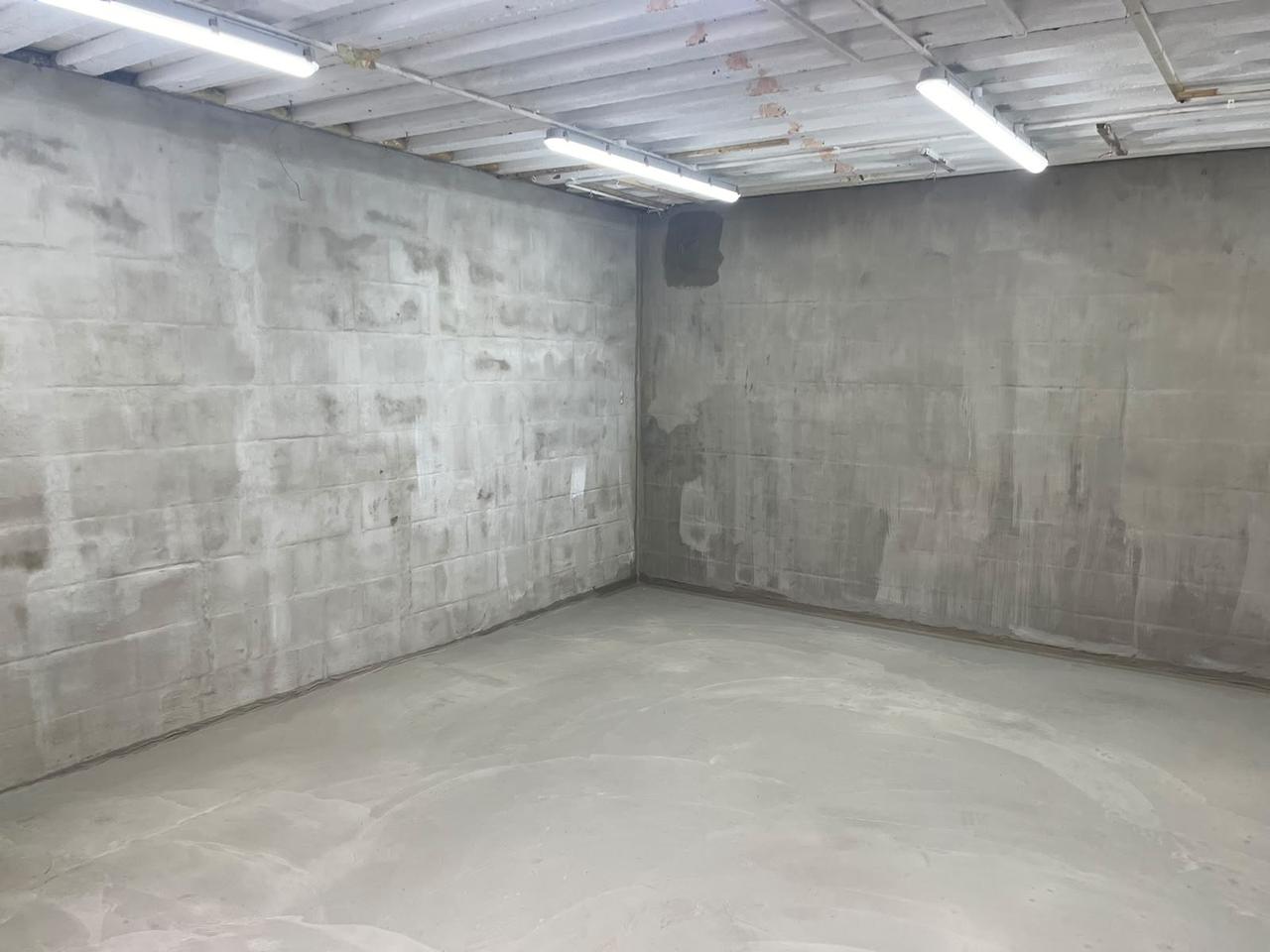 BeforeAfter
Two approaches, and they suit different cellars.
There is no single right system. Which one we recommend depends on the water you're dealing with, the structure, and what you intend to do with the space.
We'll explain both and tell you which we'd use, and why.
- 01
Survey the space
Structure, water levels, where it's coming in, whether there's drainage available and what you want to use it for.
- 02
Cementitious tanking
A rigid waterproof render bonded to the walls and floor, resisting water pressure directly. Good for sound masonry and lower water levels.
- 03
Or cavity drain membrane
A studded membrane that doesn't resist the water but manages it, channelling it to a perimeter drain and a sump. Better where water volumes are higher.
- 04
Sump and pump
Fitted where the system needs it, with the discharge routed properly rather than into the nearest drain and hoped for.
- 05
Floor and finish
Screeded and levelled, ready for whatever the room is going to be.
Cellar you can't use?
Send us photos of the walls and the floor, and tell us what you'd want the space for. We'll tell you which system it needs.