
Damp proof course
injection in Kent.
A new chemical barrier through the wall, formed with the SecoMUR system and guaranteed for 30 years. Fitted in a day or two on most houses, with the paperwork handed over at the end.
A barrier the water can't climb past.
Every house needs something at the base of its walls to stop groundwater wicking upward. Older property used slate, engineering brick or bitumen felt. Those work well until the building settles and cracks them, or until somebody builds a patio over the top and gives the water a route around.
A chemical damp proof course replaces that barrier without taking the wall apart. We drill a line of holes at mortar-course level, inject a water-repellent cream, and it diffuses through the masonry to form a continuous horizontal band that water can't pass.
It is not a coating and it is not a paint. It works inside the wall, which is why the wall looks no different afterwards and why the plaster has to be dealt with separately.
When a wall needs one
- A tide mark with salt staining above it, present year-round
- Plaster blowing or crumbling low on the wall
- The property is pre-1900 and has no original damp course
- The existing slate course has cracked with settlement
- A survey for a mortgage or sale has flagged it
- Previous treatment that was never replastered properly
We confirm all of this with meter readings and an external inspection before we quote — the survey costs nothing.
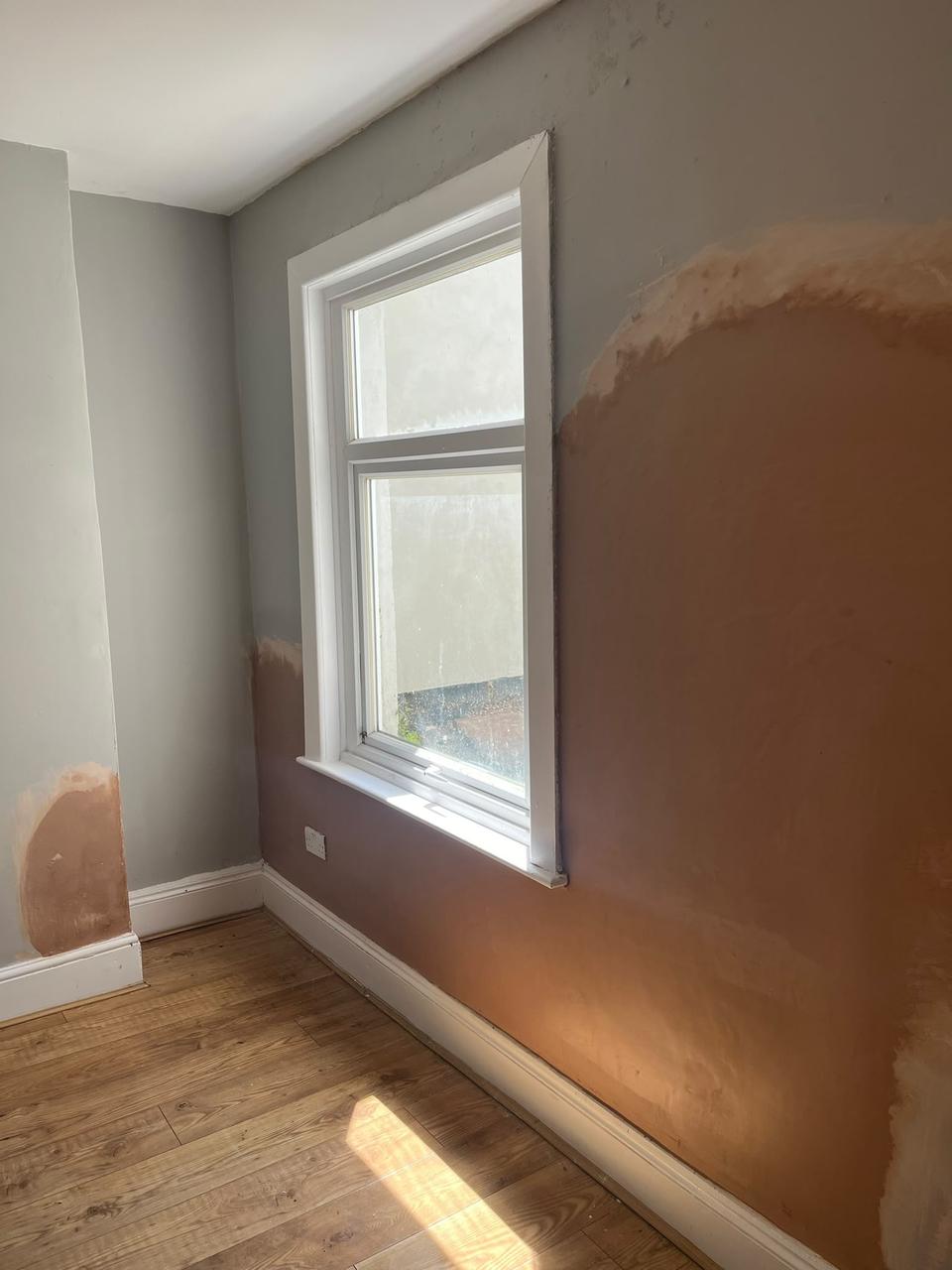
A damp proof course drilled, injected and replastered
A ground floor wall prepared for injection, then finished. The barrier itself is invisible once the plaster goes back on, which is precisely the point.
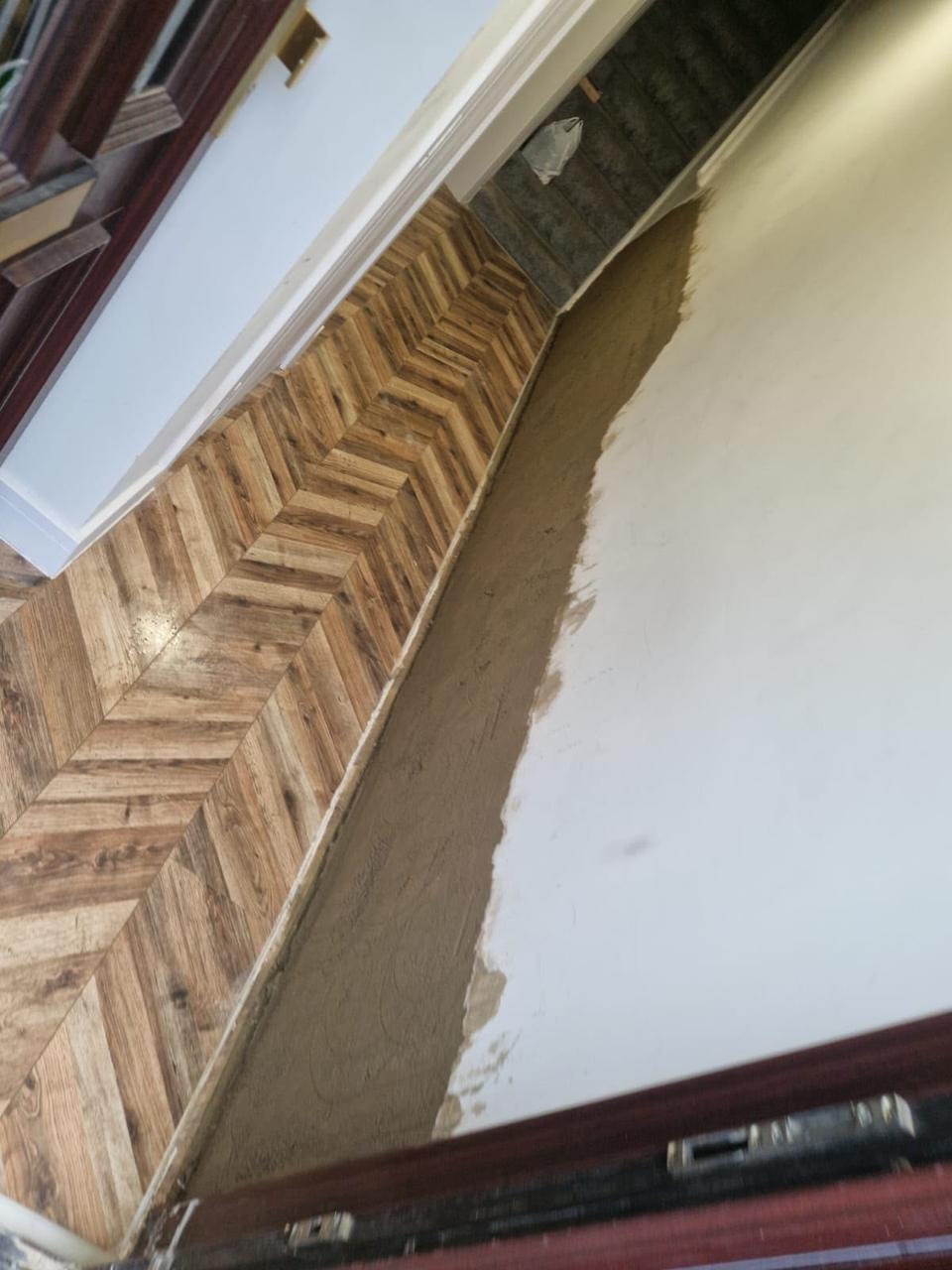
Straightforward, if the diagnosis is right.
The injection itself is the easy part. Getting it right depends entirely on whether the wall actually needed one, and on what happens to the plaster afterwards.
Which is why we survey first and replaster after, rather than just drilling and leaving.
- 01
Survey and confirm
Meter readings, external ground levels, drainage. We only inject where injection is genuinely the answer.
- 02
Prepare the wall
Contaminated plaster removed to the required height so the injection can be done at the correct level and the wall can dry.
- 03
Drill and inject
Holes at mortar-course spacing, SecoMUR cream injected under control, diffusing to form a continuous barrier.
- 04
Salt-inhibiting render
Applied over the treated area, then skimmed ready for decoration once dry.
- 05
Paperwork on handover
Your 30 year guarantee document, a record of what was treated, and drying times before you decorate.
Been told you need a damp course?
Get a second opinion before you commit. Ours is free, in writing, and sometimes says you don't need one.