How long does a wall coating last?
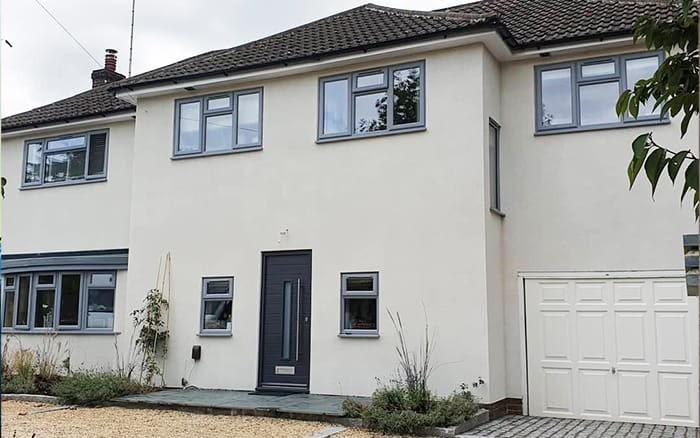
A properly applied flexible coating on sound, prepared render typically gives you well over a decade. The ones that fail early almost always failed because they were applied over blown render or a wall that was still wet underneath.
Will a coating stop my damp problem?
If the damp is penetrating damp caused by water coming through the wall, then yes — that's exactly what it's for. If it's rising damp or condensation, a coating won't touch it. That's why the survey comes first.
Does sealing the wall trap moisture inside?
It would if we used a non-breathable product, which is why we don't. The coatings we fit are vapour-permeable: they stop liquid water getting in while letting moisture vapour out. Sealing a wall completely is a genuine way to make damp worse.
What's the difference between cork render and a normal coating?
A standard coating weatherproofs. Cork weatherproofs and insulates, so it's worth considering on solid-wall properties that can't take cavity insulation. It costs more, and whether it's worth it depends on the property.
Can you coat over cracked render?
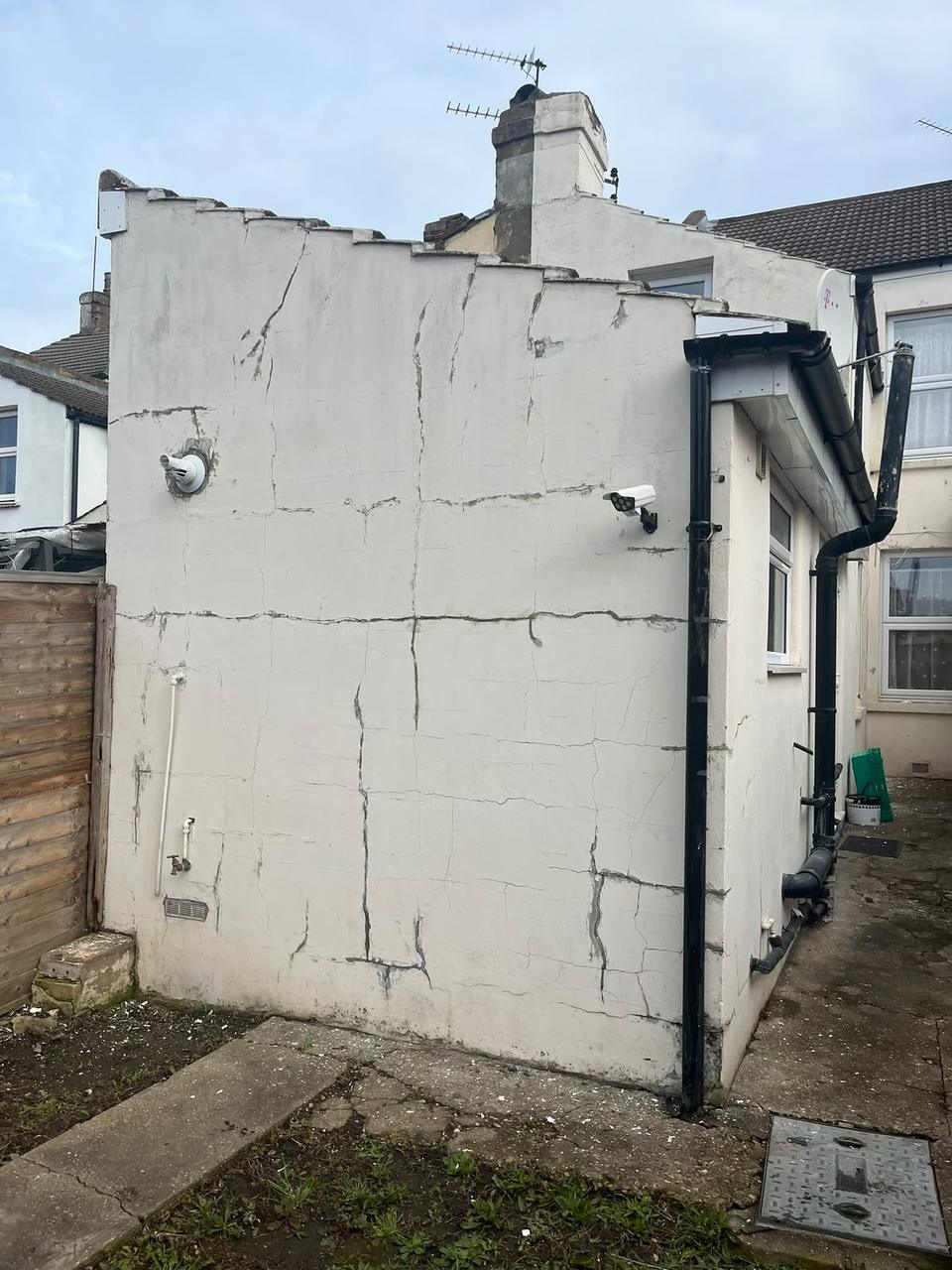
Over hairline cracking, yes — that's one of the things a flexible coating is designed for. Over blown or hollow render, no. That has to come off and be made good first, or the coating fails with it.
What's the difference between tanking and damp proofing?
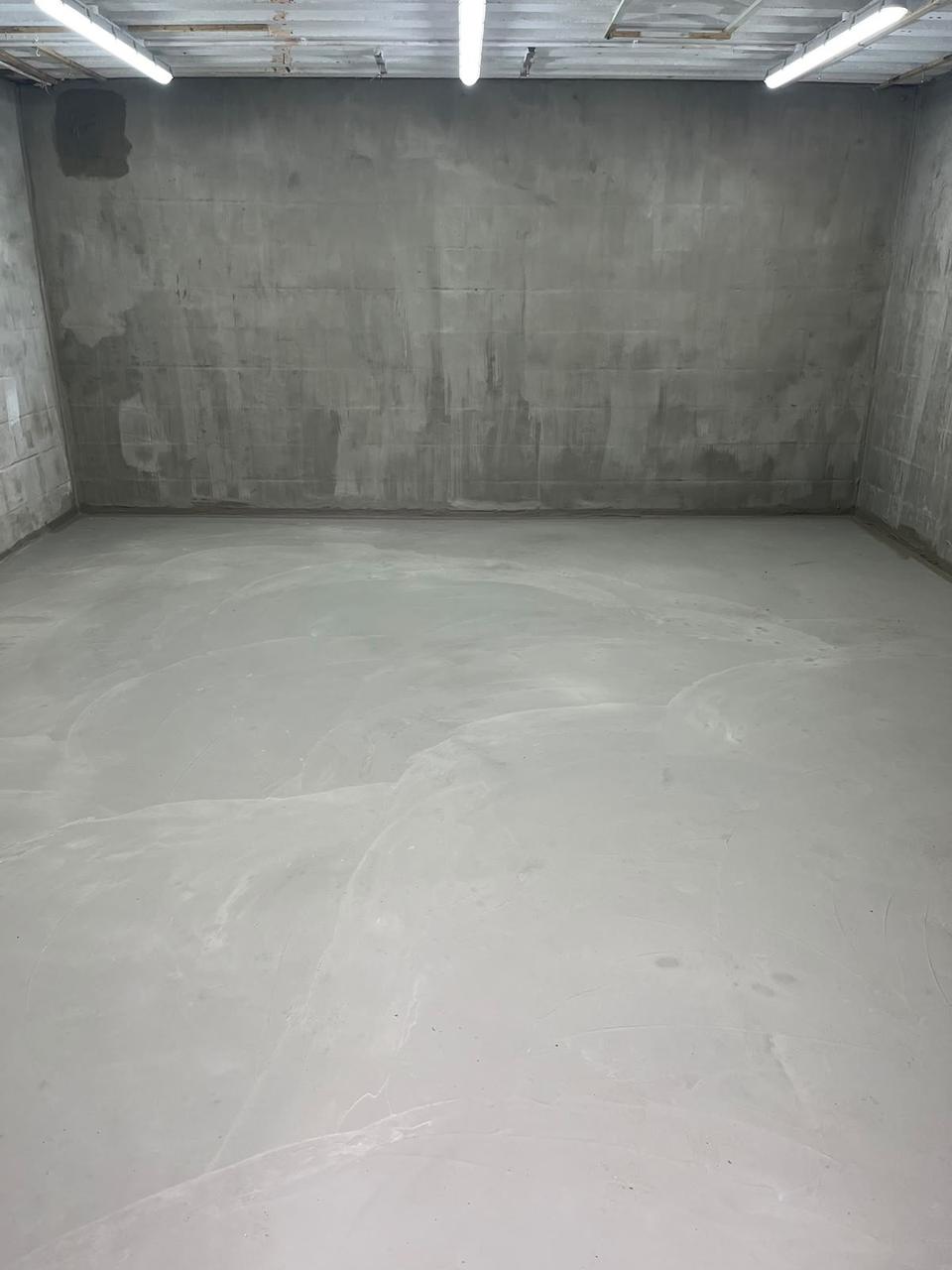
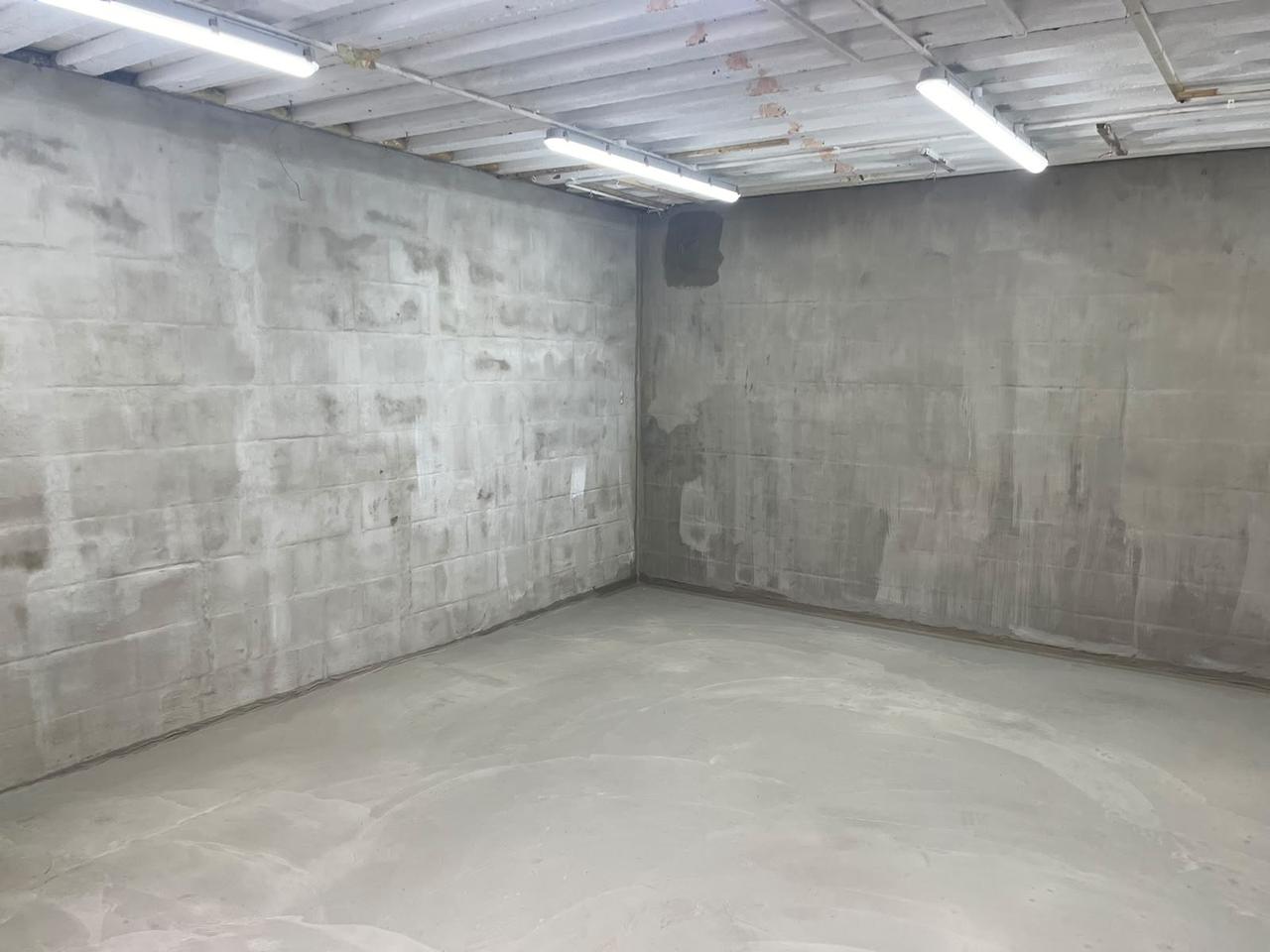
Damp proofing deals with moisture rising through a wall from the ground. Tanking deals with water pressing against a structure from outside, which is what happens below ground level. Different problem, different system — a damp course in a cellar achieves nothing.
Can a tanked basement be used as a living room?
That's usually the point of doing it. Once it's waterproofed, screeded and ventilated properly it becomes usable space. We'll talk through what's involved for your particular cellar at the survey.

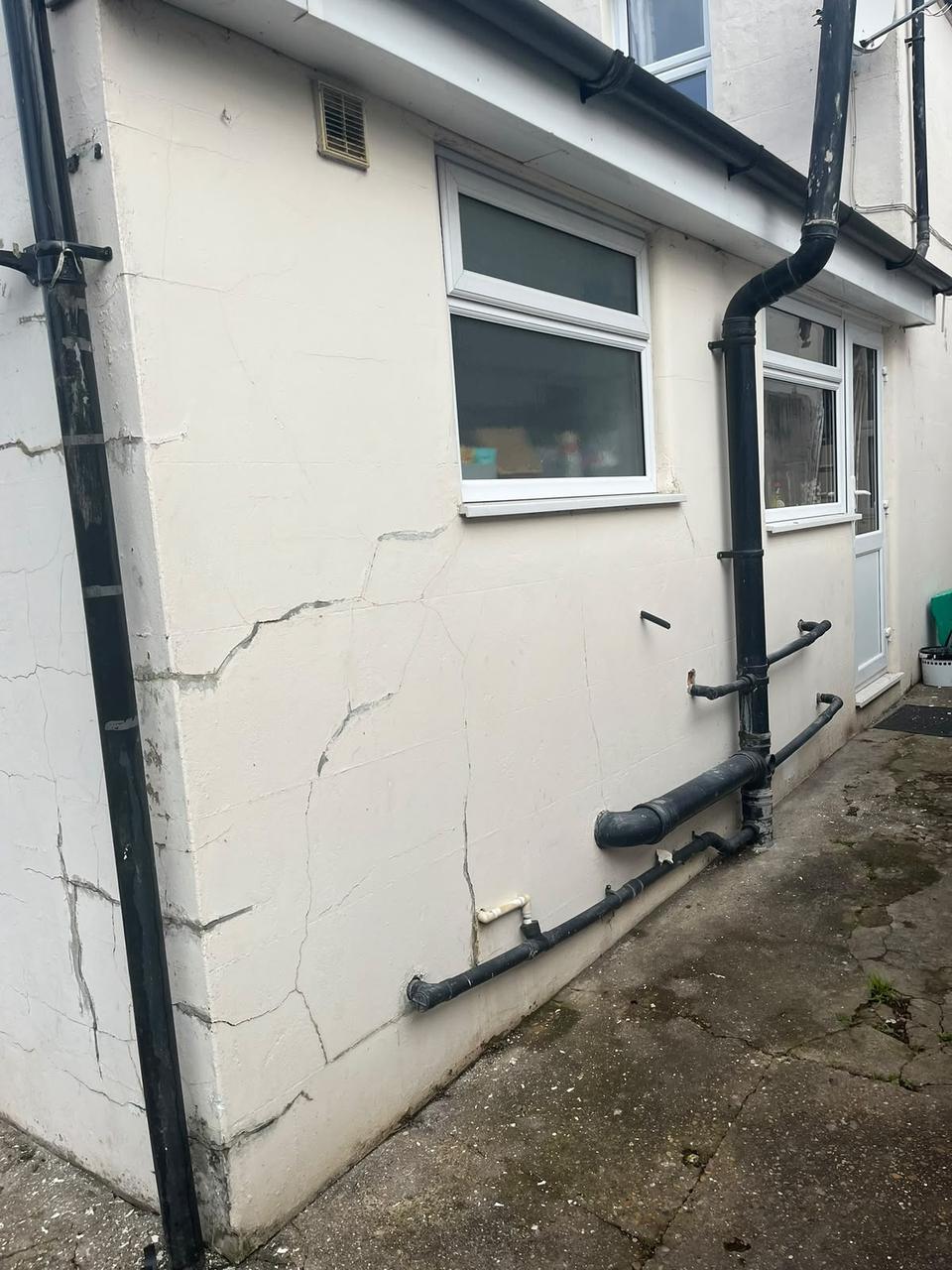
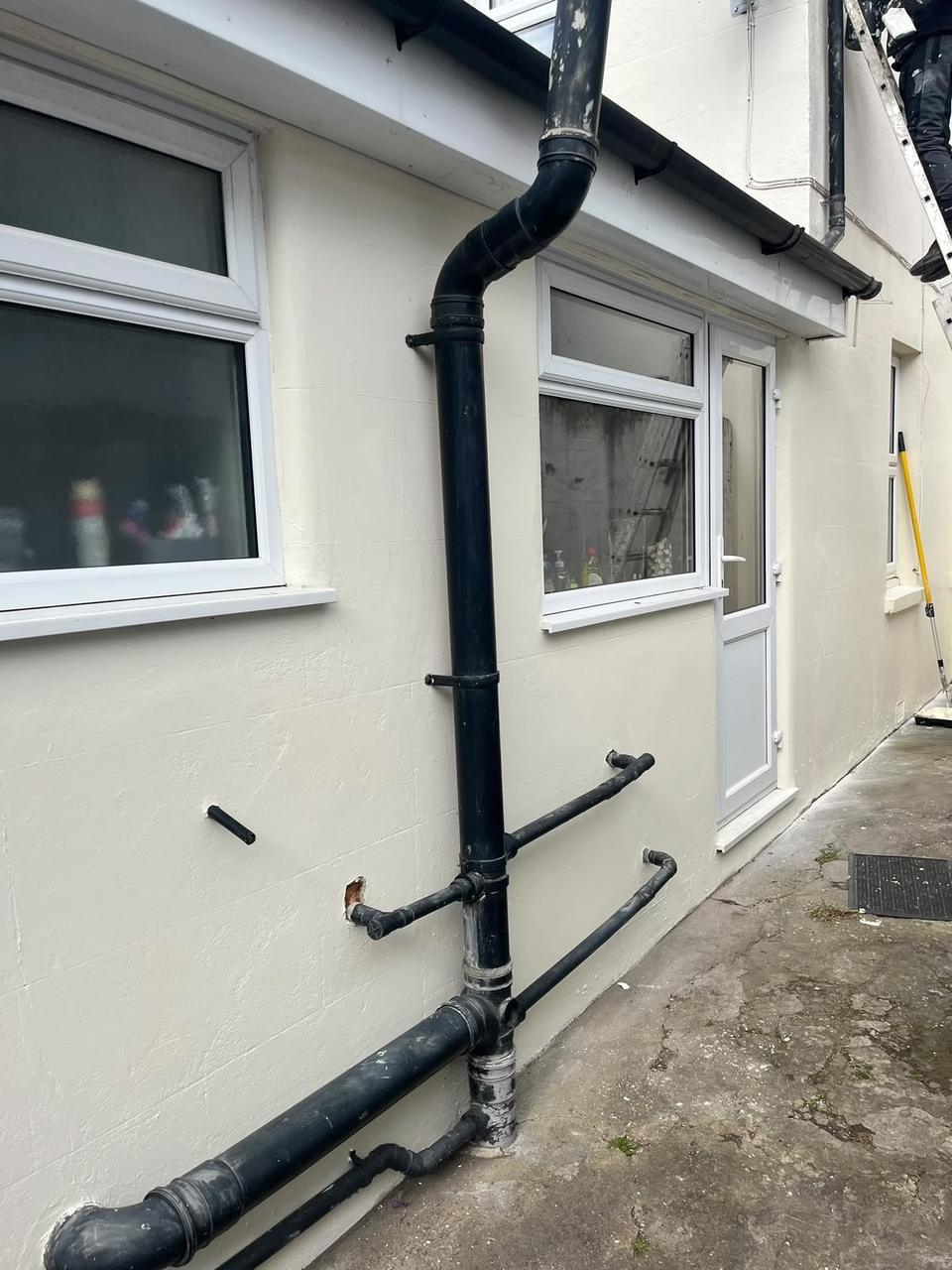 BeforeAfter