
Penetrating damp
solutions in Kent.
Water coming through the wall rather than up from the ground. The cure is nearly always external — and replastering the inside before sorting the outside is money straight down the drain.
If it's worse after rain, it's coming through.
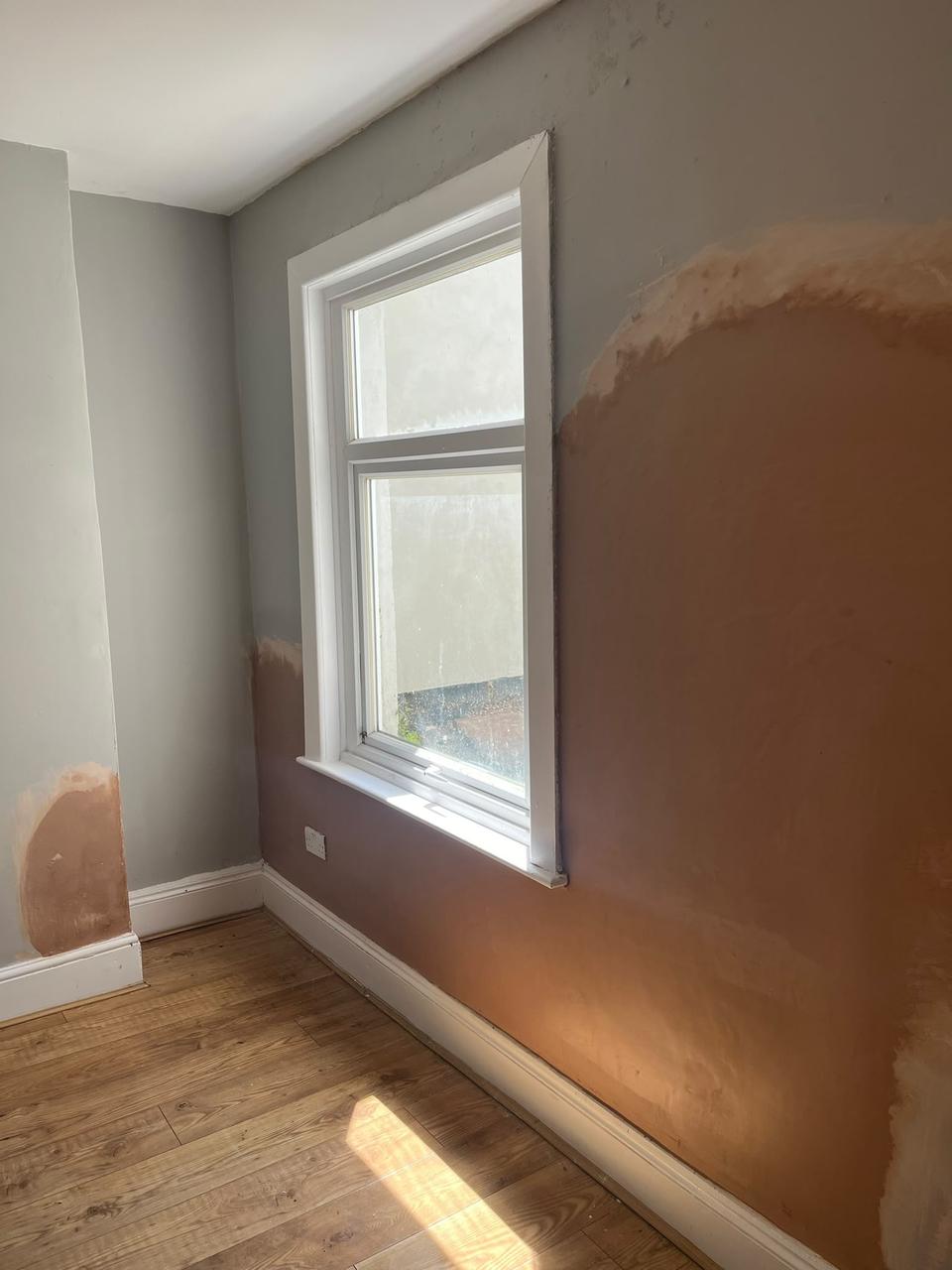
Penetrating damp appears as a defined patch at any height on the wall — halfway up, near a window, around a chimney breast, high on a gable. The giveaway is timing: it worsens during and after heavy rain and dries back during a settled spell.
That pattern tells you water is arriving from outside rather than rising from below, which immediately rules out a damp proof course as the answer. The job then becomes finding where it's getting in, and there are usually only a handful of candidates.
In our experience the culprit is a blocked or leaking gutter more often than anything else — and that is one of the cheapest things on this website to put right.
Where it usually comes from
- Blocked, leaking or overflowing gutters and downpipes
- Cracked, blown or missing render on the elevation
- Perished pointing between bricks
- Defective flashing around chimneys and abutments
- Porous brickwork on an exposed elevation
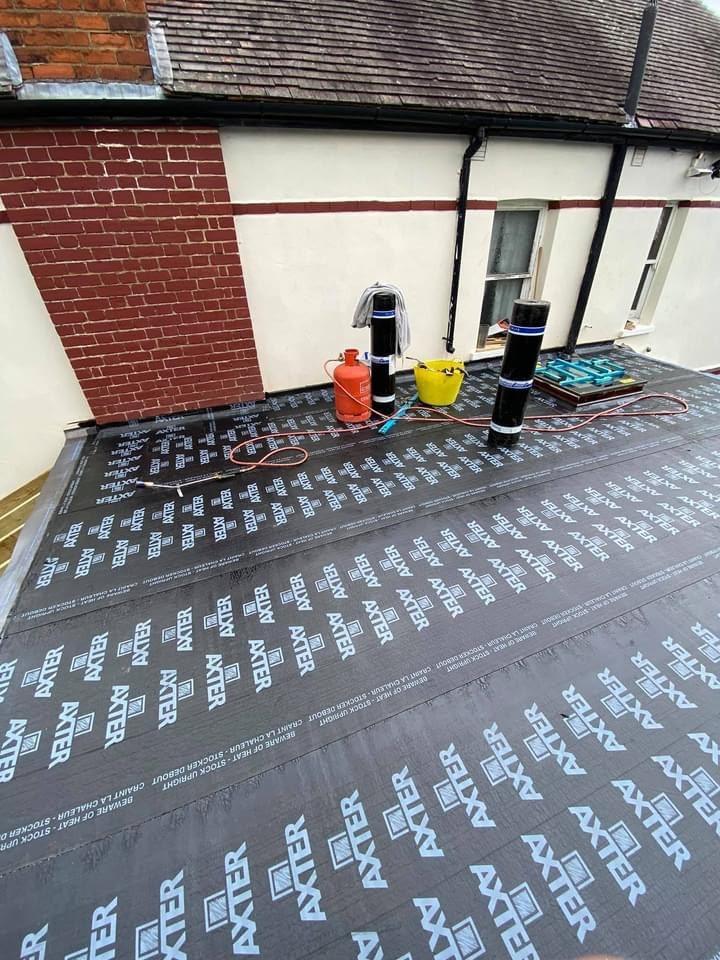
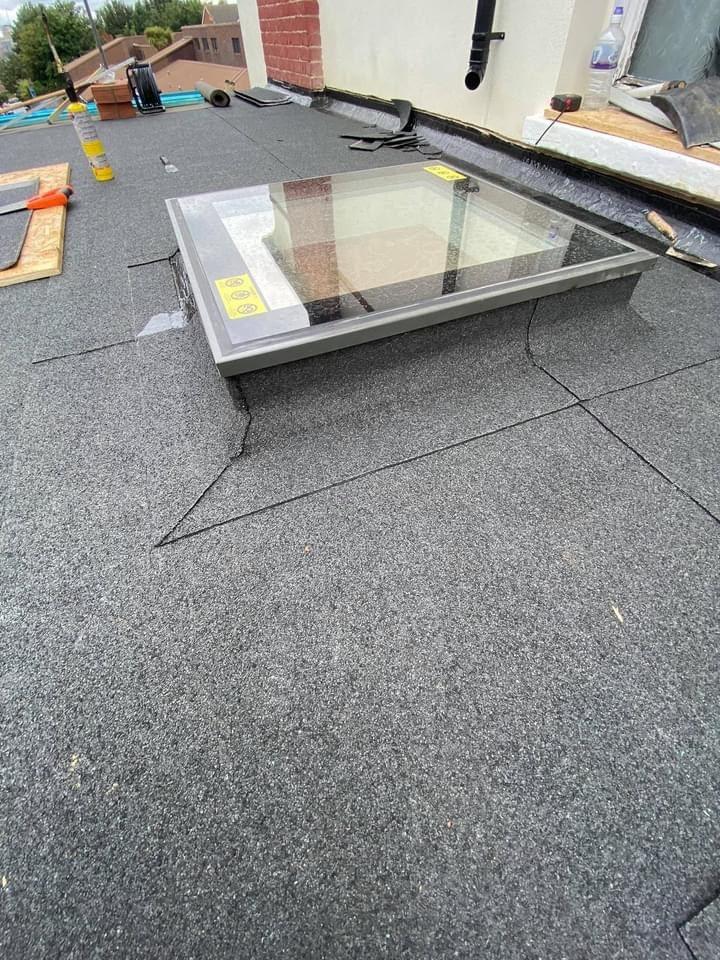
- A leaking roof or a failed flat roof above
Send us a photo of the outside wall as well as the inside — the answer is usually visible from the garden.
Sorted at source, then made good
A rear elevation with cracked render letting water through, repaired and coated. The internal patch stopped coming back the moment the outside was sealed.
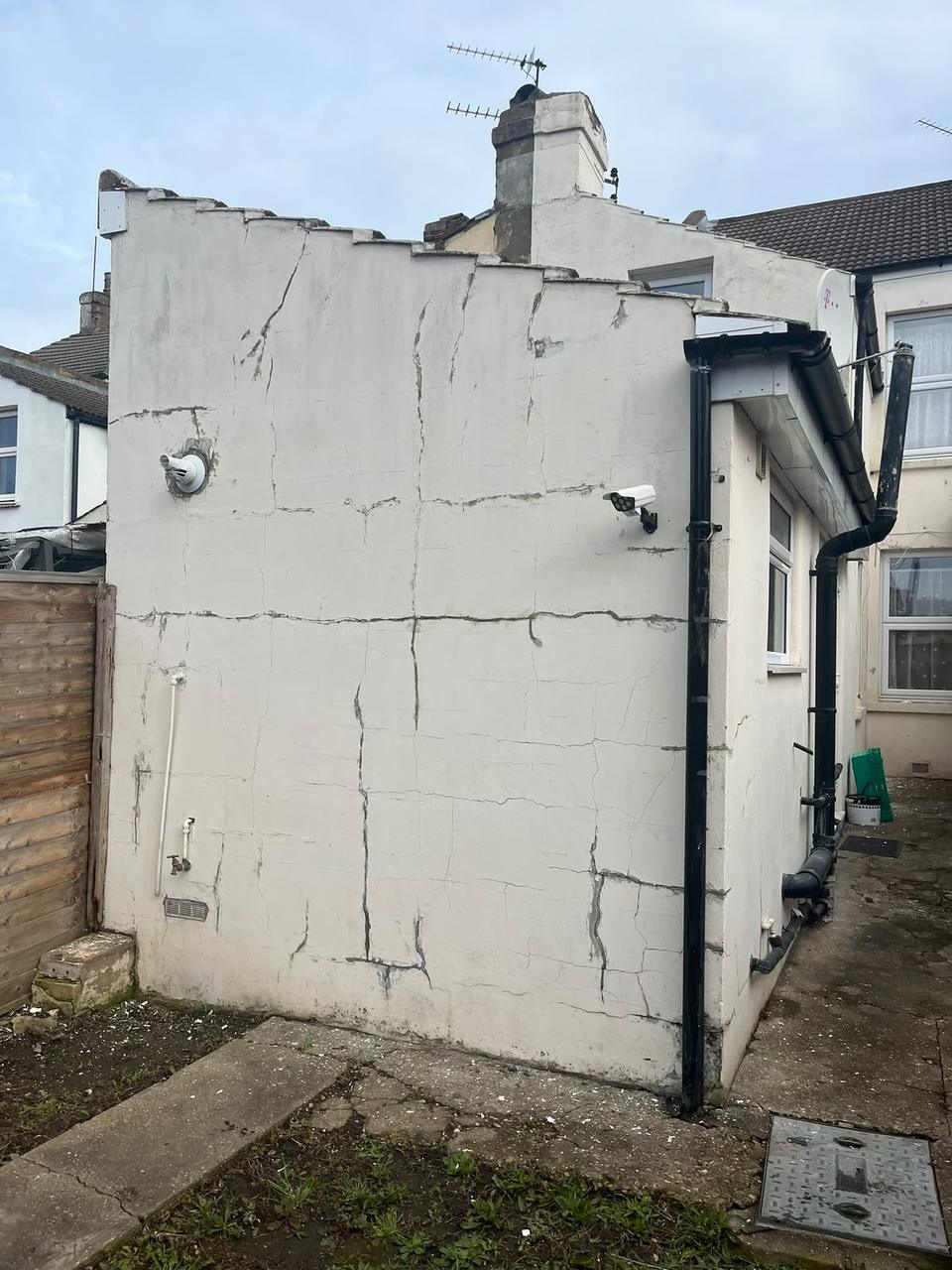
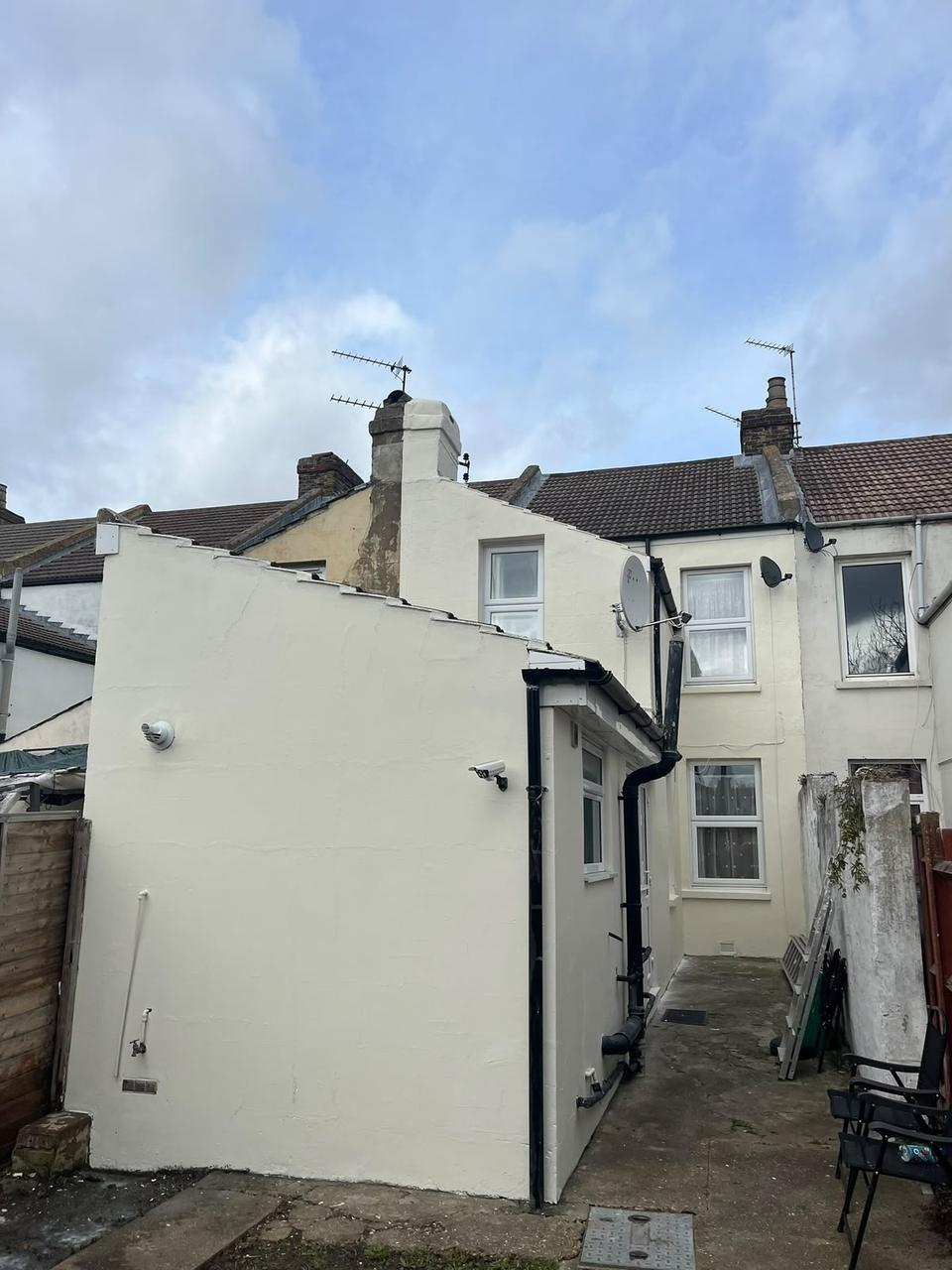 BeforeAfter
Outside, then inside. Never the other way round.
Plastering an internal wall while water is still arriving from outside is the definition of throwing good money after bad. It will look fine for a season.
So we find and fix the source first, then make the inside good.
- 01
Inspect outside
Gutters, downpipes, render, pointing, flashing and the roof above. We're looking for the route, not the stain.
- 02
Confirm with readings
Meter readings inside to map the extent, and to rule rising damp and condensation in or out.
- 03
Fix the source
Clear or replace the gutter, repair the render, repoint, or sort the flashing — whatever the survey found.
- 04
Let it dry
A wall that has been wet needs time. We tell you how long before internal work is worth doing.
- 05
Make good inside
Replaster where the plaster has failed, once the wall is genuinely drying rather than still being fed.
Damp patch that comes and goes with the weather?
That's penetrating damp, and the fix is outside. Send us a photo of both sides of the wall.